
Engineering Reference

Inside the chiller.

A technical breakdown of every critical component in an industrial water chiller — what it does, how it fails in commodity units, and how AquaForge addresses each failure mode.

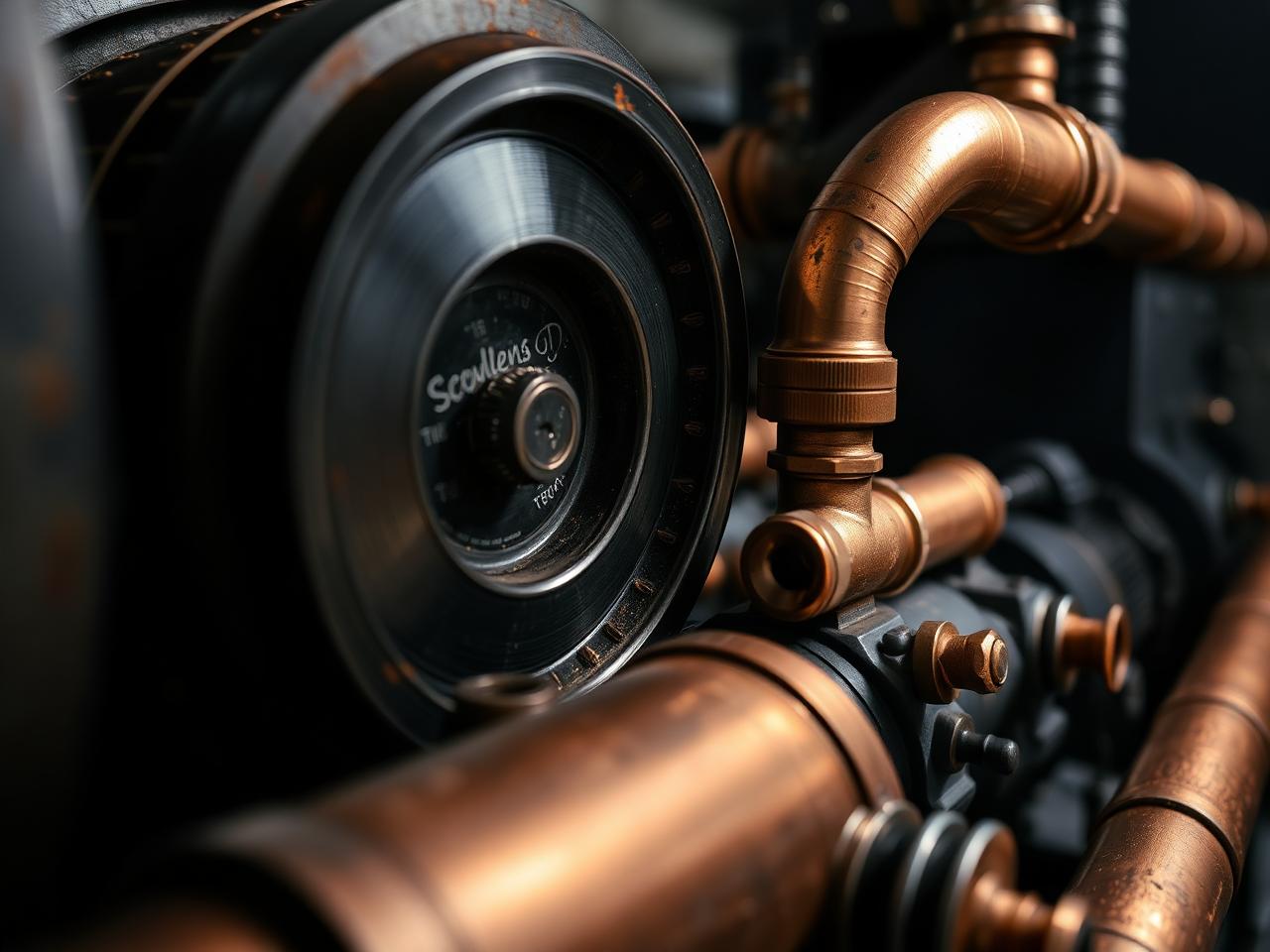
Scroll compressor and refrigerant manifold
Fig. 01 — Panasonic scroll compressor & refrigerant manifold
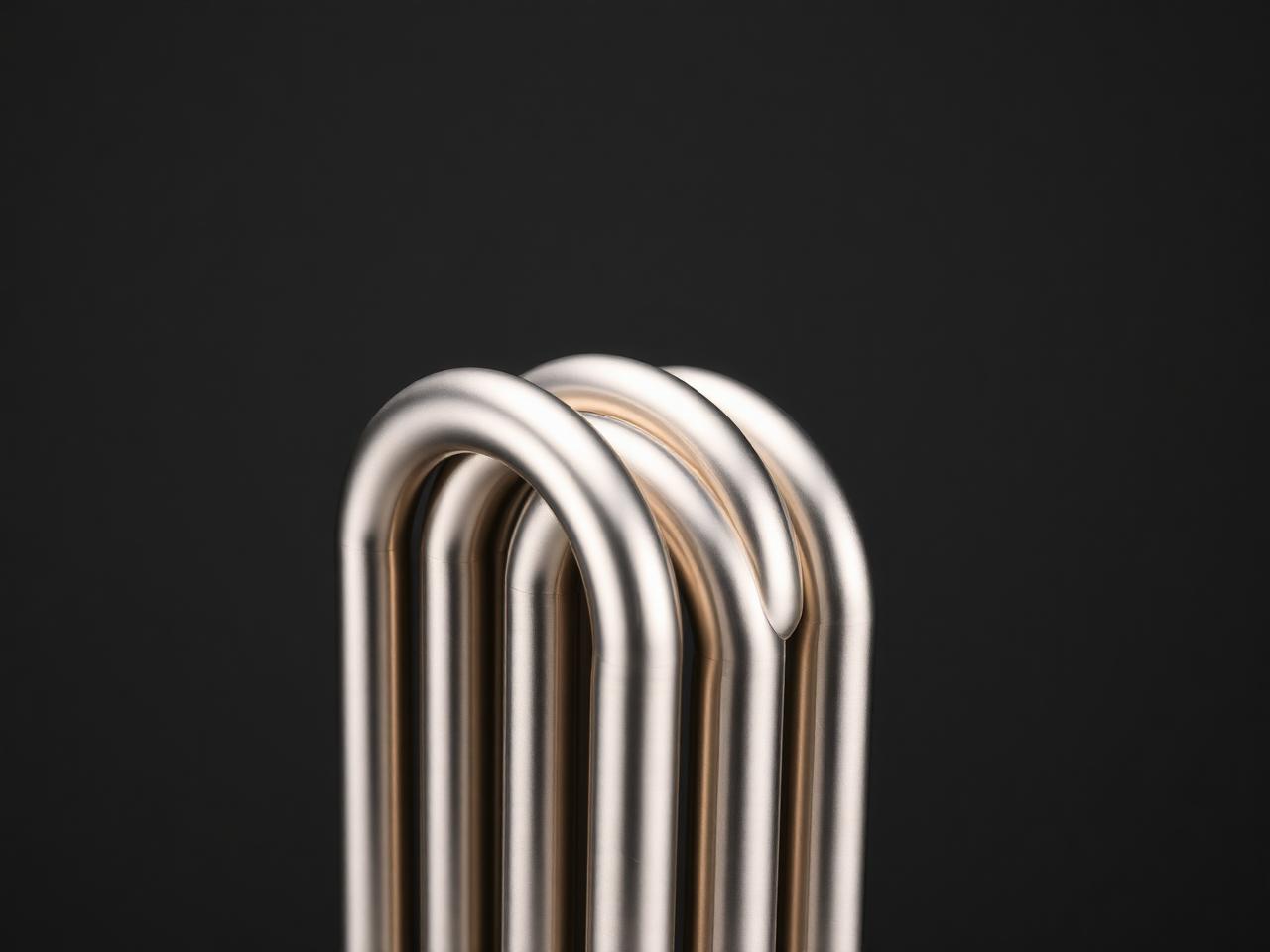
Titanium heat exchanger tube bundle
Fig. 02 — Titanium heat exchanger
Components

Every system, fully specified.

/ 01

Compressors

The compressor is the heart of any chiller. AquaForge standardizes on Panasonic commercial scroll compressors — chosen for their proven reliability, quiet operation, and dominant track record in continuous-duty refrigeration. Panasonic's scroll platform has fewer moving parts than reciprocating designs, tolerates 24/7 duty cycles, and is backed by a global service network. Common failure points in commodity units — slugging, oil starvation, contactor burnout — are addressed through proper line sizing, crankcase heaters, and soft-start protection.

/ 02

Heat Exchangers

Where refrigerant meets process water. We use titanium tube-in-shell or brazed-plate heat exchangers, depending on the application. Titanium is mandatory for saltwater (aquaculture, marine, certain industrial loops) and strongly preferred for any application where corrosion is even a remote concern. Copper-on-coated or stainless variants used in commodity chillers will eventually pit and leak refrigerant into the process loop.

/ 03

Pumps

Cooling capacity is only as useful as the flow that delivers it. AquaForge ships with properly sized, externally serviceable circulation pumps. Magnetically driven pumps where chemical compatibility matters, mechanical seal pumps where head pressure does. We size for the loop, not for a one-size-fits-all bill of materials.

/ 04

Controllers

Our chillers ship with PLC-class controllers that expose setpoint, hysteresis, alarm history, hours-run, and fault diagnostics. Dual independent temperature sensors prevent single-sensor failure modes from triggering overcooling. Remote monitoring via Modbus or 0-10V analog is available across the catalog.

/ 05

Refrigeration Systems

Sight glasses, filter-driers, expansion devices, suction accumulators where load conditions demand them. We use standard, currently-supported refrigerants — not proprietary blends that lock you into one supplier or one technician.

/ 06

Safety Components

High-pressure and low-pressure cutouts. Flow switches that prevent the compressor from running dry. Thermal overload protection. Phase monitors on three-phase units. These aren't optional add-ons — they're the difference between a controlled fault and a destroyed compressor.

/ 07

Common Failure Points

Compressor short-cycling from undersized condensers. Heat exchanger pitting from saltwater. Pump seal failures from chemistry mismatch. Controller failures from poor enclosure venting. We design these out before the unit ships.

/ 08

Maintenance Requirements

Quarterly: visual inspection, coil cleanliness, flow verification. Annual: refrigerant charge verification, electrical termination check, sensor calibration. Every AquaForge ships with a documented maintenance schedule and service manual.